UL10588 High Temperature Wire: Applications & Sourcing
UL10588 high temperature wire is a candidate for equipment manufacturers evaluating internal wiring exposed to heat and demanding insulation conditions. Its practical value depends on matching the specified wire construction to the equipment’s electrical load, local temperature, installation space, and mechanical environment. For OEMs, harness manufacturers, and industrial buyers, understanding these conditions is essential to selecting suitable wire and preparing an accurate purchasing specification.
Demand for this category is shaped by practical engineering needs: managing heat near components, routing conductors through compact assemblies, and maintaining dependable electrical insulation. Understanding where UL10588 wire may fit helps buyers move from a general product search to a technically defined inquiry.
Product Positioning and Insulation Characteristics
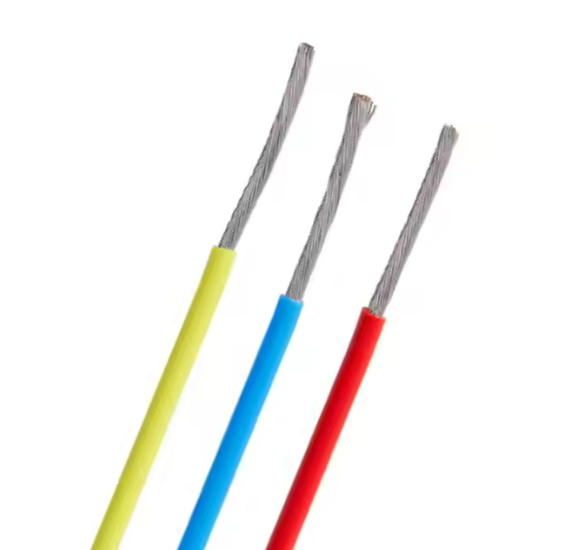
The published UL10588 product information from Haiyan ADS Special Cable Co.,Ltd identifies FEP insulation. FEP is a fluoropolymer material; buyers should specify the actual insulation material when ordering rather than treating every fluoropolymer wire as PTFE. 1
The phrase “UL10588 Teflon wire” is commonly used in product searches. For technical purchasing, however, the material designation and approved construction provide a clearer specification than a broad commercial term. Using this search phrase does not establish the resin’s brand origin or any brand authorization.
When assessing high temperature hook-up wire, consider the complete construction. Insulation supports electrical separation, while conductor size, conductor construction, outside diameter, and termination compatibility affect installation and operation. Chemical resistance, flexibility, and abrasion performance depend on the specific material, construction, exposure, and working conditions.
Why Equipment Manufacturers Evaluate UL10588 Wire
Compact equipment can place wiring close to heaters, transformers, power components, or other heat sources. Selecting wire for these locations requires attention to the temperature along the actual wiring route. The surrounding enclosure temperature alone may not represent the hottest point a conductor experiences.
Equipment upgrades also create sourcing needs. A revised enclosure, higher component density, or changed duty cycle may require engineers to reassess an existing wiring specification. Buyers then need a supplier who can discuss the proposed construction against the application requirements.
For purchasing teams, this makes specification clarity a commercial priority. A quotation becomes more useful when it identifies the wire construction and documentation being offered, allowing meaningful comparison between suppliers.
Industrial Heating Equipment
Industrial heating assemblies, heated processing equipment, and temperature-controlled machinery are potential applications for UL10588 high temperature wire where the specified construction is suitable. Internal connections near heated sections may require insulation selected for elevated local temperatures.
Engineers should assess radiant heat, contact with hot surfaces, operating cycles, and the distance between wiring and heating elements. A heat-resistant wire still needs appropriate routing, support, and termination. Connections exposed to temperatures beyond the wire or terminal limits require a different design.
Mechanical protection also matters. Wiring that passes through metal panels or alongside moving parts may need bushings, sleeves, or a revised route. Thermal suitability alone does not establish resistance to cutting, rubbing, or repeated movement.
Household and Commercial Appliances
Appliances with heating functions can present similar wiring challenges within tightly arranged housings. Potential locations include protected internal connections near heat-generating assemblies in cooking, warming, or food-service equipment.
Selection must account for the appliance’s applicable requirements, installation arrangement, and operating conditions. Moisture, steam, grease, and cleaning agents introduce additional exposure questions. Buyers should identify these conditions explicitly and request confirmation for the proposed wire construction.
Assembly conditions deserve attention as well. The wire must work with the selected terminals, stripping process, and available routing space. Confirming these details before production helps avoid a construction that meets the electrical requirement but creates processing difficulties.
Automation Equipment and Control Assemblies
Automation systems may contain warm zones around drives, power modules, and enclosed control components. Fluoropolymer insulated wire can be evaluated for protected internal connections where temperature and insulation requirements support its selection.
The distinction between stationary and moving wiring is particularly important. A conductor suitable for installation inside a fixed assembly does not automatically suit repeated flexing in a cable carrier or robotic joint. Motion, torsion, vibration, and bend conditions require separate assessment.
For control assemblies, outside diameter and identification requirements also influence usability. Engineers should check terminal compatibility, wire routing, and available space before approving a particular construction.
Instrumentation, Power Supplies, and Electronic Equipment
Instrumentation and electronic assemblies may need internal wiring near heat-producing components. Relevant selection factors include local temperature, operating voltage, conductor size, termination method, and the space available for safe routing.
In power supplies, engineers should consider conductor heating, bundling, ventilation, and neighboring components. A wire’s temperature rating alone does not establish its current-carrying capability in every installation.
Measurement equipment introduces further requirements. General hook-up wire should not be assumed to provide shielding, controlled impedance, or thermocouple functionality. Where a circuit requires those characteristics, the wiring specification must address them directly.
What Buyers Should Verify Before Ordering
Begin with the operating environment. Define continuous and peak temperatures, working voltage, electrical load, installation location, and expected exposure. Include mechanical conditions such as vibration, bending during assembly, or contact with edges.
Next, establish the required construction. Confirm conductor size and material, solid or stranded construction, insulation material, outside diameter, and any necessary dimensional limits. Review chemical exposure against the actual substance, concentration, temperature, and duration rather than relying on a general resistance description.
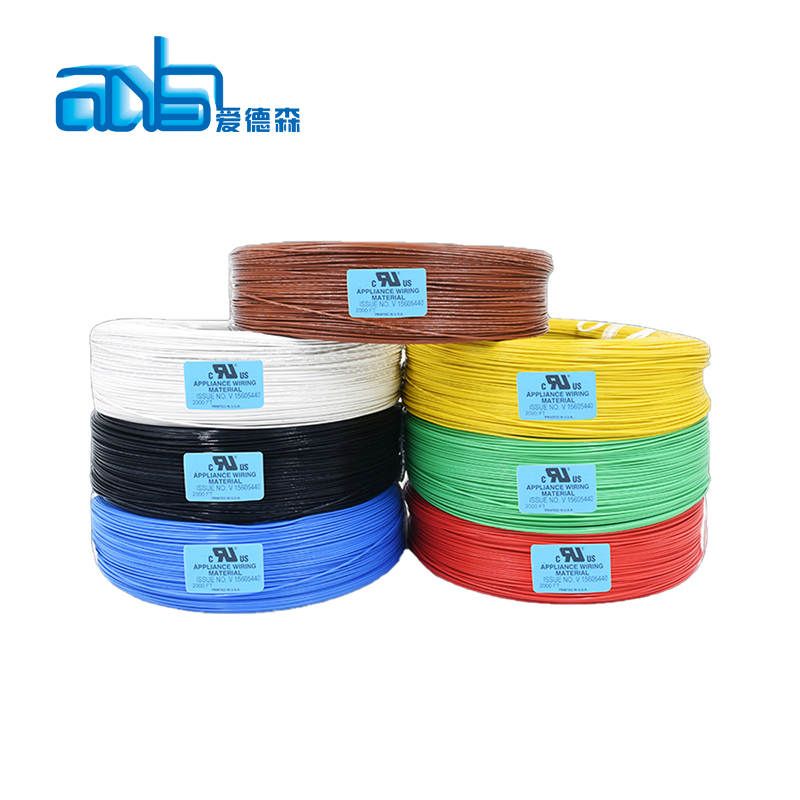
Documentation is another purchasing requirement. UL Solutions explains that AWM constructions are evaluated according to characteristics including material, voltage, temperature, and intended application, and that certification information can be checked through Product iQ. Buyers should verify the relevant manufacturer and construction rather than relying on a style number alone. 2
UL AWM recognition concerns a wiring component. It does not automatically certify the finished appliance or equipment, or establish compliance with every industry requirement. The equipment manufacturer must assess the wire within the complete product and applicable approval process.
Manufacturer Support and Custom Inquiries
Haiyan ADS Special Cable Co.,Ltd specializes in manufacturing high-temperature fluoropolymer-insulated wire, supported by professional production equipment and relevant UL certification qualifications. The company welcomes inquiries and discussions about custom high temperature wire requirements.
For buyers searching for a Teflon wire manufacturer, direct technical communication helps turn an application description into a reviewable specification. State the required performance and ask the manufacturer to confirm the proposed construction, available options, and applicable documentation.
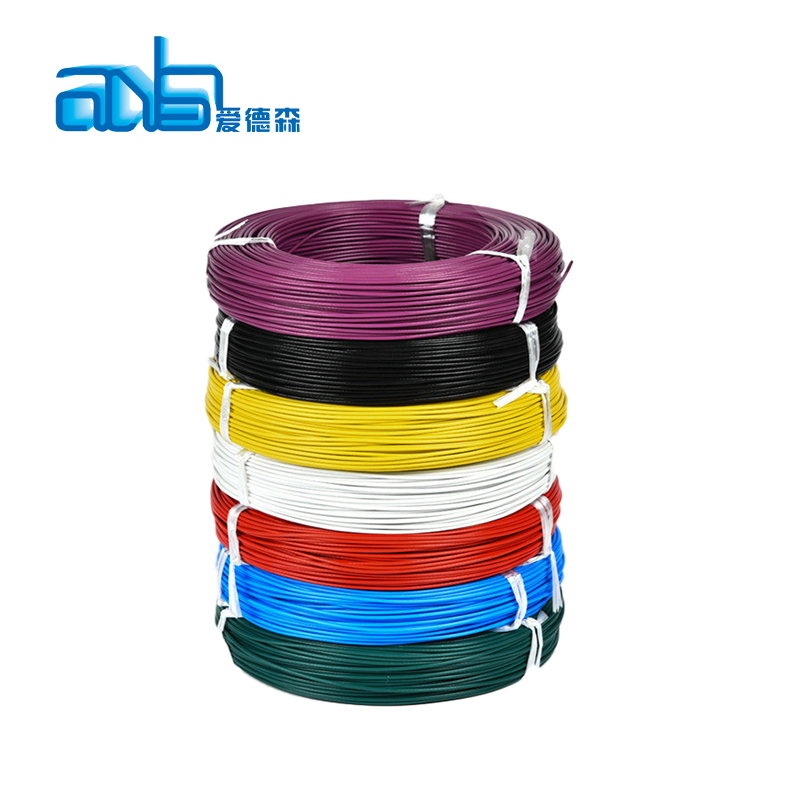
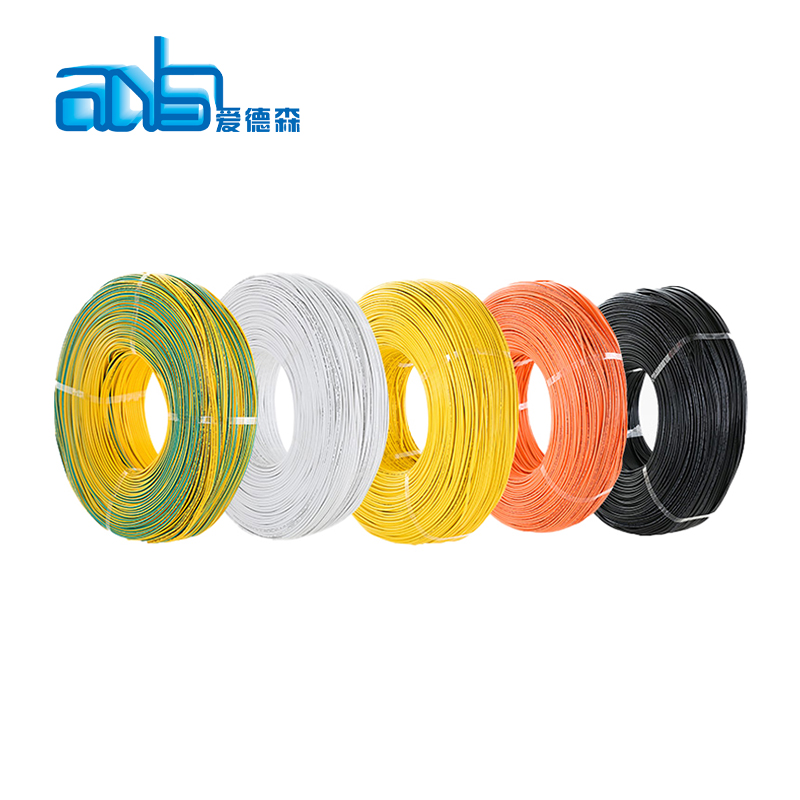
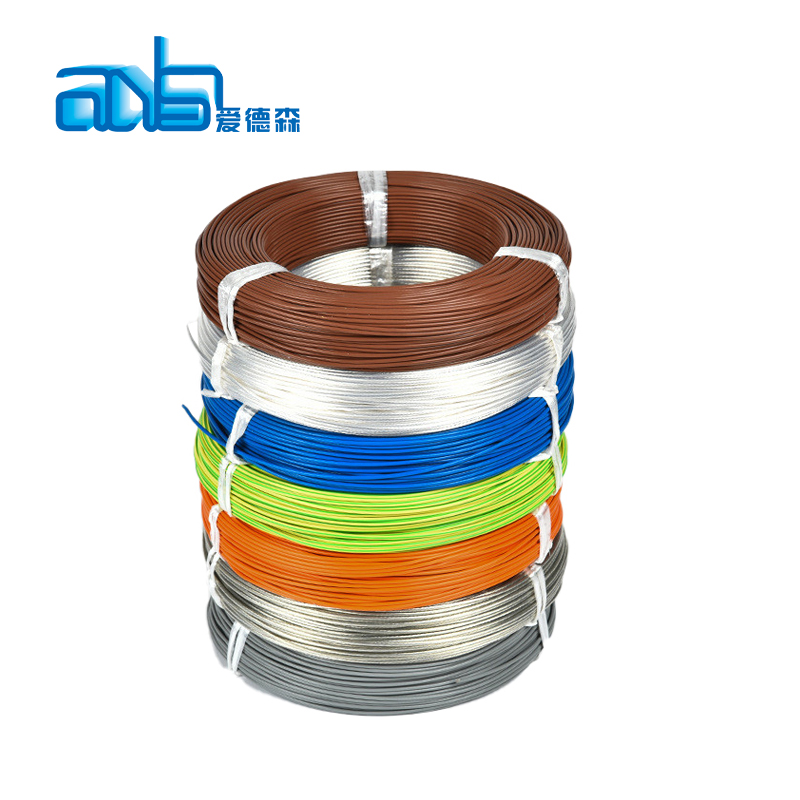
Contact Haiyan ADS Special Cable Co.,Ltd to discuss your UL10588 high temperature wire project and request a quotation. Include working temperature, voltage, wire gauge, preferred colors, required lengths, quantity, and certification requirements. An application drawing or wiring description can provide additional context, helping the manufacturer assess feasibility and confirm which customization requests can be supported.