Solid Copper Wire vs. Stranded Copper Wire: Selection Guide
Solid Copper Wire vs. Stranded Copper Wire: How to Choose
Choosing between solid copper wire and stranded copper wire depends mainly on how the wire will be installed and used. Solid conductors are generally stiffer and suited to appropriate fixed installations, while stranded conductors bend more easily and can simplify routing. Neither structure is automatically better for every application: the right choice depends on electrical requirements, movement, installation conditions, and applicable standards.
Structure and Flexibility
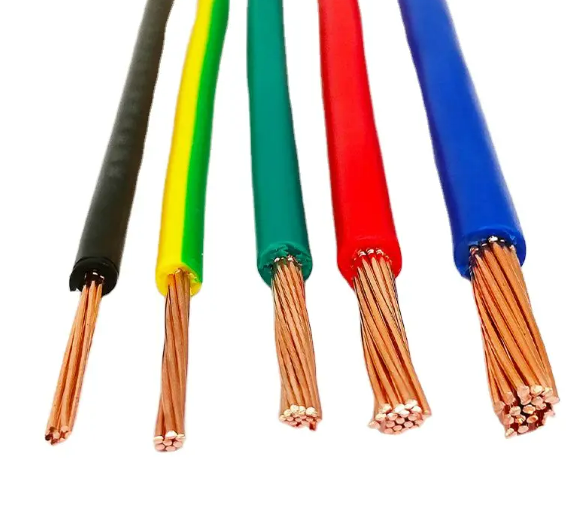
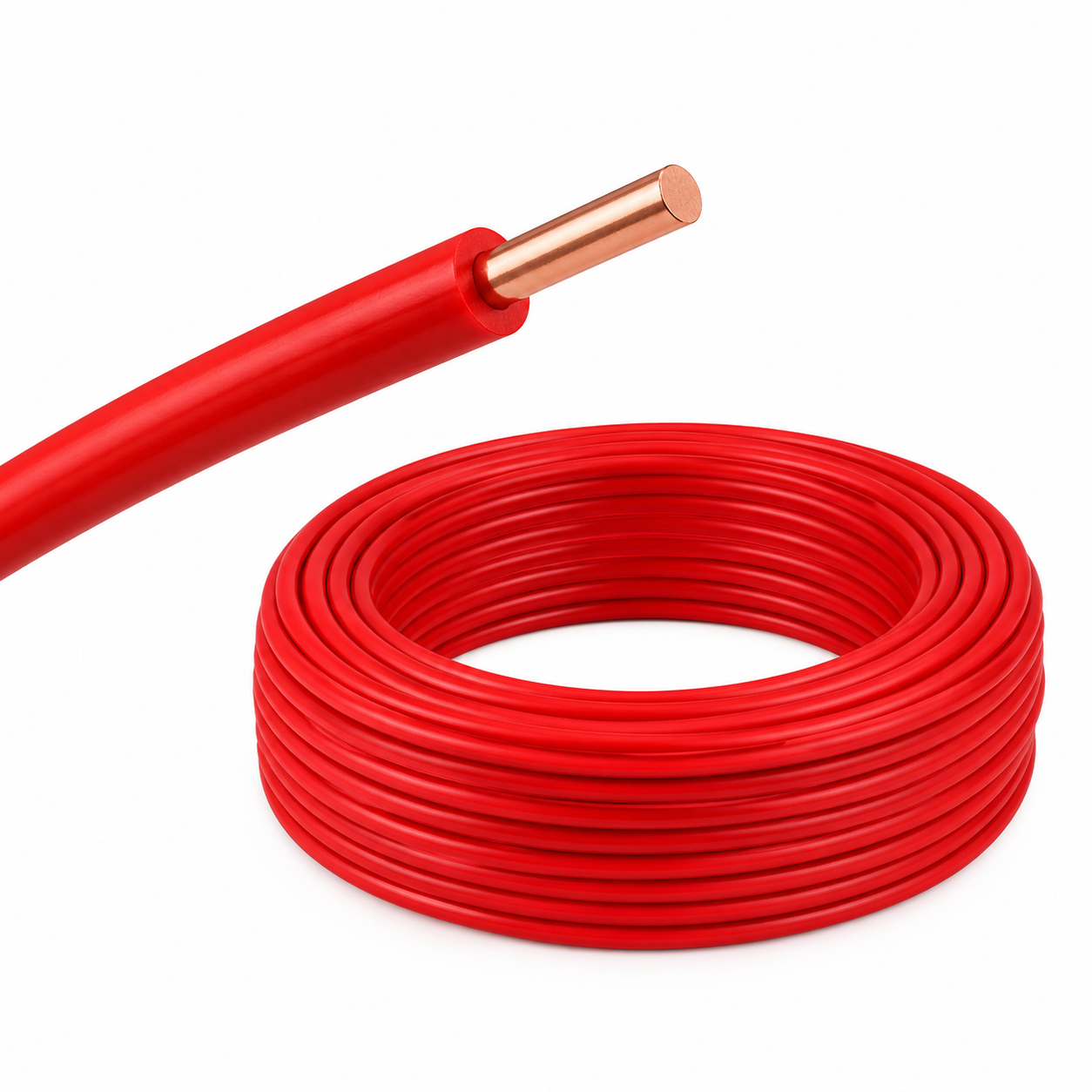
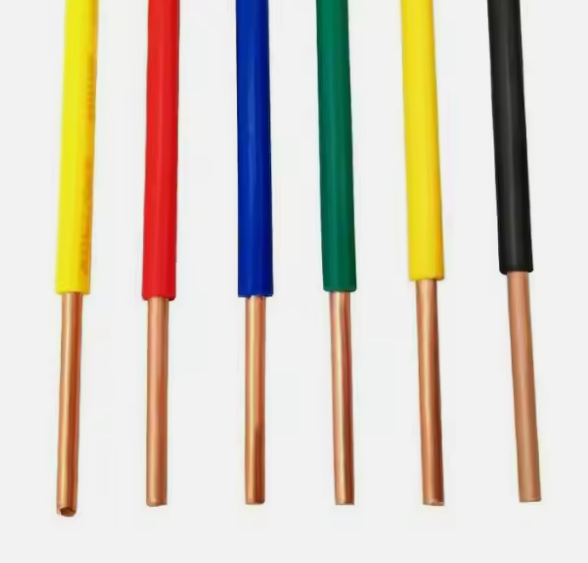
A solid copper wire has one continuous copper conductor. Its straightforward construction makes it relatively rigid, so it can hold its shape and work well in suitable fixed wiring applications. It may also be used for breadboard connections or other fixed connections when the wire size and requirements are appropriate.
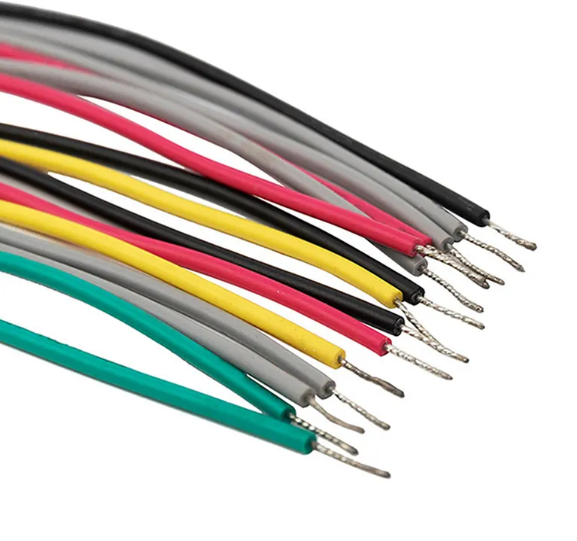
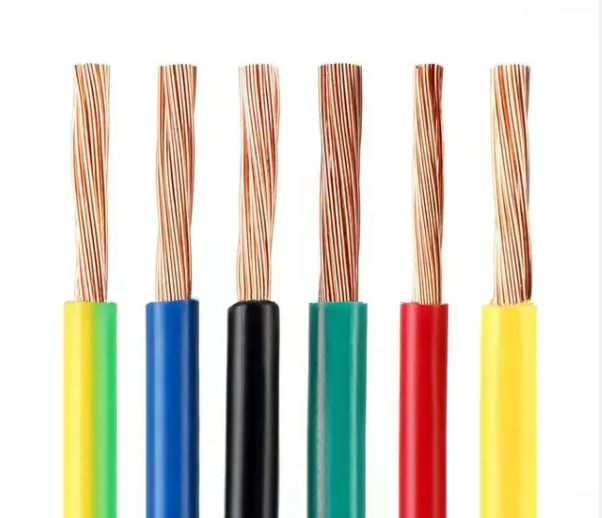
A stranded copper wire consists of multiple smaller copper strands twisted or laid together. This construction usually makes the conductor more flexible and easier to route through equipment, around corners, or in a crowded control cabinet. Flexible stranded copper wire is often convenient for equipment connections, harnesses, and installations where the wire needs to be repositioned during assembly.
Flexibility varies with the stranding design. The number of strands, individual strand diameter, lay, and complete cable construction all affect handling and bending performance. A fine-stranded conductor may be more flexible than a coarser one, but the term “stranded” alone does not specify how much bending a wire can withstand.
Electrical Performance and Resistance
In both types, current is carried by the copper conductor. For conductors with comparable copper material, effective cross-sectional area, length, and temperature, their DC resistance is generally similar. Stranded wire may have a slightly longer copper path because the strands follow a lay, so construction can affect the measured resistance. The number of strands by itself does not mean that a wire conducts better or has a higher current capacity.
When comparing specifications, check conductor size and resistance values rather than relying only on whether the conductor is solid or stranded. Also distinguish conductor resistance from the allowable current of the complete wire or cable. Ampacity depends on other factors, including insulation temperature rating, installation method, ambient conditions, and the applicable electrical code or standard.
For ordinary DC and power-frequency applications, a stranded conductor should not be treated as inherently more conductive than a comparable solid conductor. Ordinary stranded wire is also not the same as litz wire, which is specifically constructed for certain high-frequency applications.
Durability, Vibration, and Service Life
For a fixed installation with little movement, a solid conductor can provide reliable service when it is correctly sized, installed, and supported. Its stiffness can be useful during routing, but repeated bending may concentrate stress and eventually damage the conductor.
Stranded conductors can accommodate routing and moderate movement more readily, and a suitable stranding design may help with resistance to bending or vibration. However, ordinary stranded wire is not automatically suitable for continuous motion, such as repeated travel in a drag chain. That use calls for a flexible cable designed and validated for the expected movement and service conditions.
The service life of either type depends on the complete cable and its operating environment. Insulation material, operating temperature, humidity, corrosion, electrical load, bending frequency, mechanical support, and termination quality can all affect reliability. At connection points, use terminals compatible with the conductor type and prepare the wire end according to the connector manufacturer’s instructions. A suitable ferrule or other termination method may be required for a specific connector.
Typical Applications and Selection
Solid copper wire is commonly considered for fixed wiring where its construction is permitted by local codes and suitable for the installation. It may also be practical for breadboards and certain fixed connections. Stranded copper wire is commonly used for equipment wiring, control cabinets, wire harnesses, and connections that benefit from easier routing or flexibility during assembly.
Start with the installation: if the conductor will remain stationary, a solid wire may be appropriate; if routing is tight or some movement is expected, stranded wire may be more convenient. Then confirm conductor size, electrical ratings, insulation requirements, termination compatibility, and applicable standards. For repeated or continuous movement, specify the motion conditions and request a cable designed for that duty.
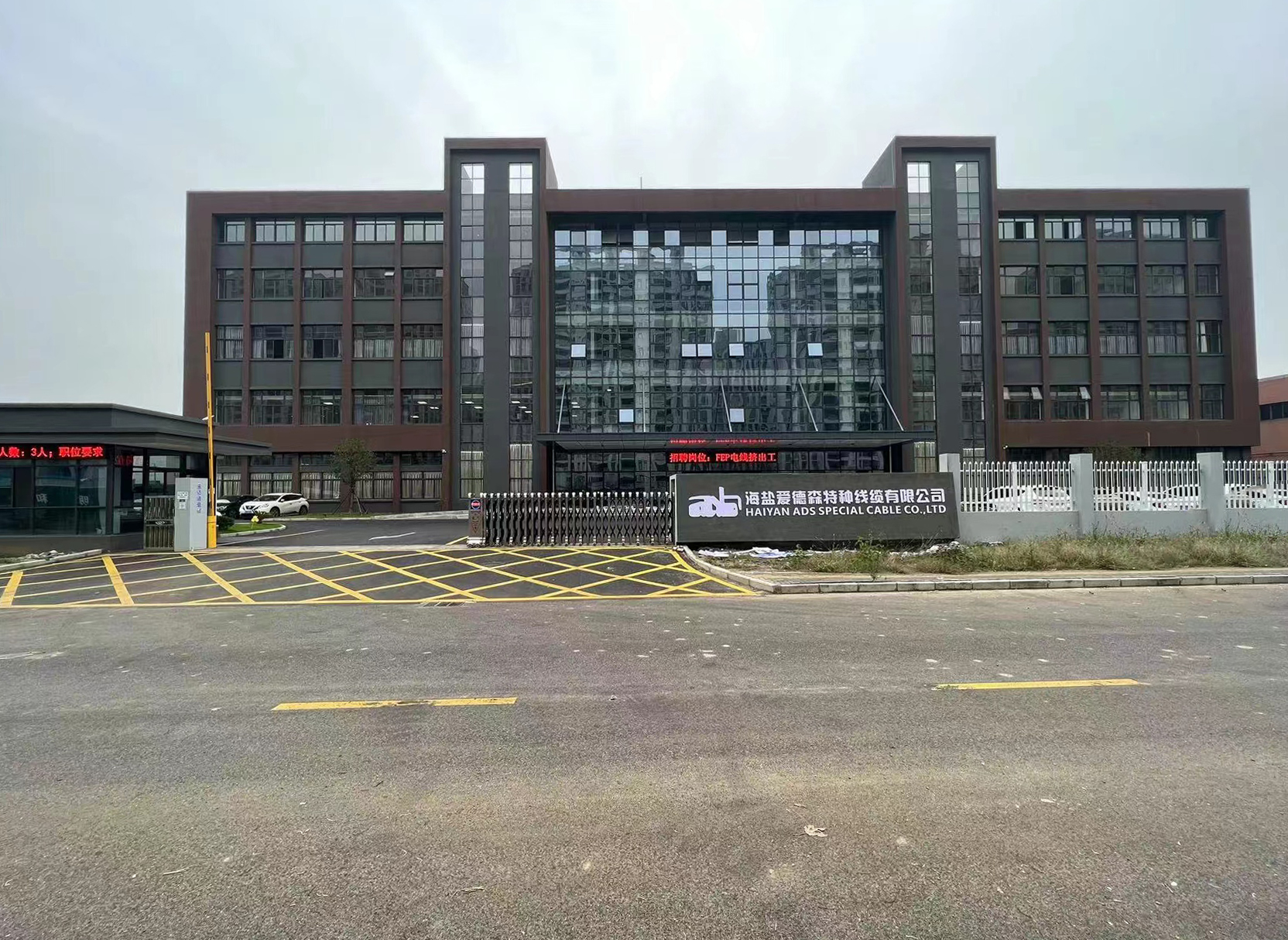
Haiyan ADS Special Cable Co.,Ltd is a professional wire manufacturer with professional production equipment and relevant certification qualifications. The company supports customization. Contact the team with your intended application, conductor specifications, rated voltage, insulation requirements, flexibility needs, and any required certifications. These details will help determine suitable options and support a quotation.